
1. Microscope
Meaning :
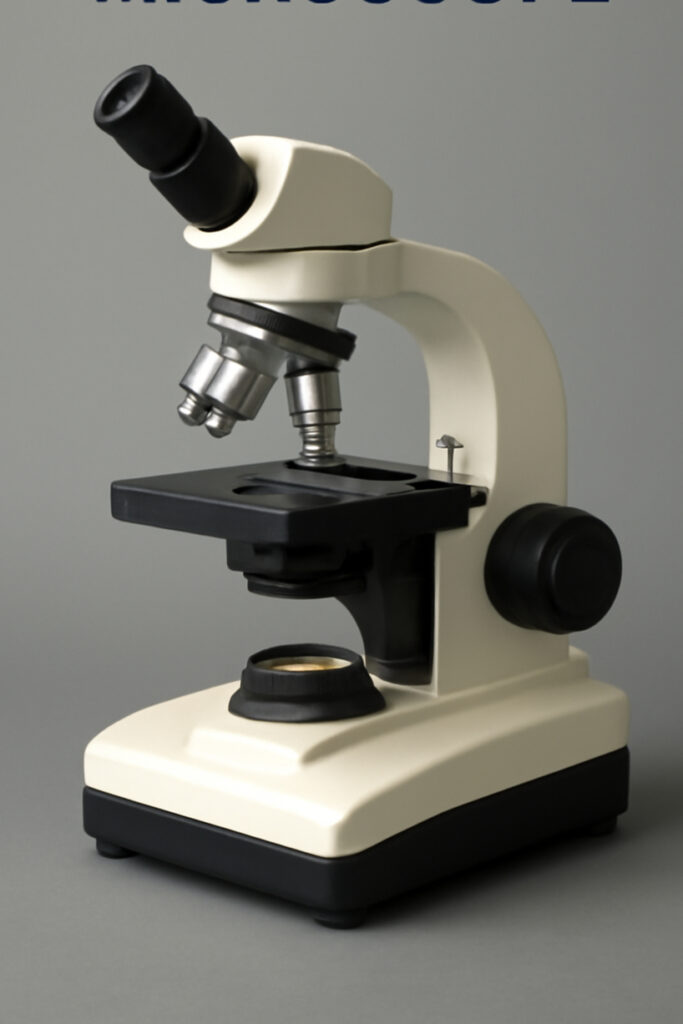
A microscope is a very useful instrument for researchers and scientists to examine microscopy samples. A microscope is a scientific instrument used to magnify tiny objects that cannot be seen clearly with the naked eye. It helps researchers, students, and scientists observe cells, tissues, bacteria, fungi, and other microscopic structures with precision. As a Best Microscope Manufacturer, we provide high-quality microscopes equipped with advanced optics and imaging technology for accurate observation and research. Microscopes are widely used in biology, medicine, education, pharmaceuticals, and material science, making them an essential tool for laboratories and scientific discoveries worldwide.
Uses:
- Observing microorganisms such as bacteria, protozoa, and fungi
- Examining cell structures
- Analyzing tissue samples
- Studying microscopic particles in materials science
- Research in laboratories and medical diagnostics
2. Test Tubes
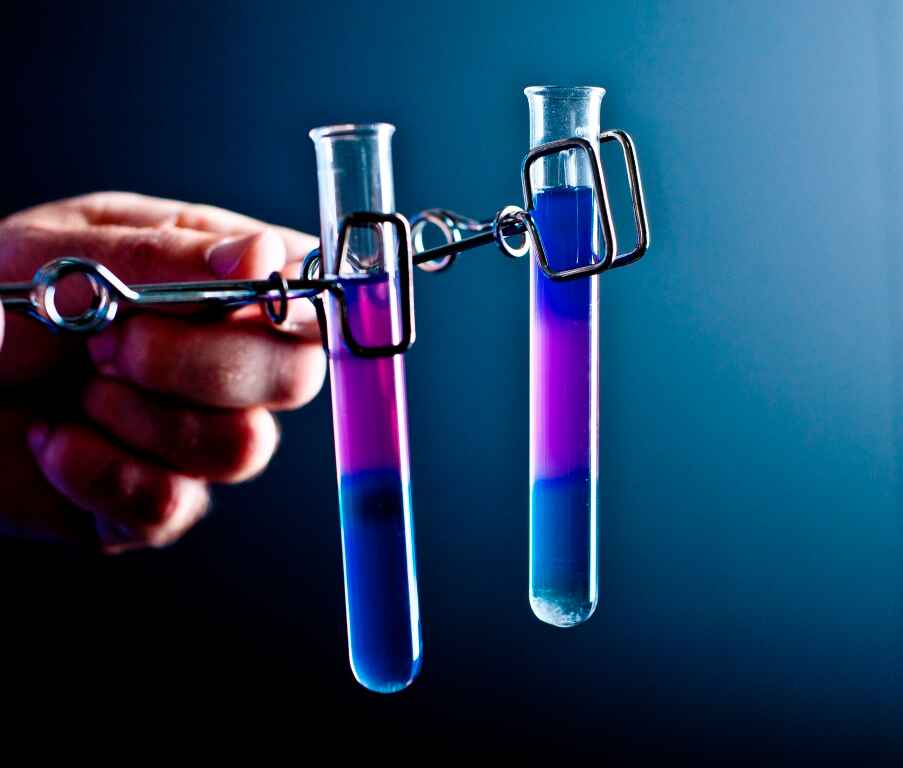
Meaning:
Test tubes are typically cylindrical and made of either glass or plastic materials which are used for the purpose of holding, mixing, or heating small amounts of liquids or solids which are melting or dissolving in the case of chemicals. Their slender form not only reduces the chances of losing the whole contents in case of an accident but also facilitates monitoring of the reactions taking place inside. They are frequently utilized in the course of chemical, biological, and analytical experiments for such purposes as preliminary testing and reaction analysis.
Uses:
- Mixing and heating chemicals
- Conducting small-scale reactions
- Holding biological samples
- Performing qualitative experiments
- Collecting and storing liquid samples
3. Beakers
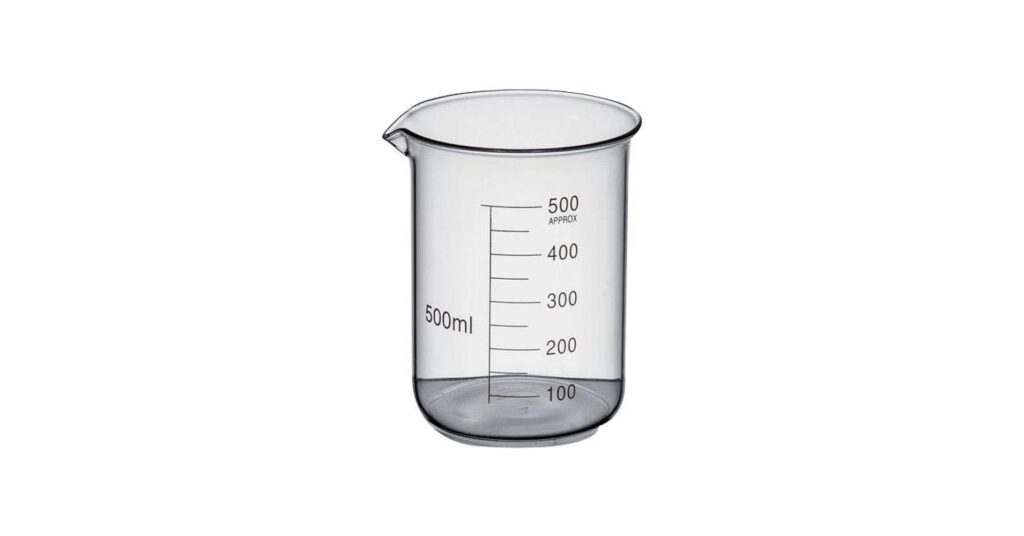
Meaning:
A beaker is a large, round, and straight-sided laboratory apparatus with a flat bottom and a spout intended for the laboratory’s liquid mixing, heating, and measuring activities. They are normally made of glass or plastic that can resist chemicals, beakers are available in various capacities and are indispensable for routine laboratory works involving solutions and handling of chemicals.
Uses:
- Mixing liquids and chemicals
- Heating substances over burners or hot plates
- Preparing solutions
- Transferring liquids
- Rough volume measurement
4. Magnifying Glass

Meaning:
The use of a magnifying glass involves holding the handheld lens at a proper distance from the eye in order to enlarge the view of the objects. It is a common tool in labs for inspecting minutiae closely, determining surface roughness, and revealing details that would otherwise be unnoticed due to lack of powerful microscope’s magnification.
Uses:
- Observing small objects or organisms
- Examining mineral samples
- Assisting in specimen sorting
- Inspecting equipment or surfaces
- Quick visual magnification tasks
5. Volumetric Flask
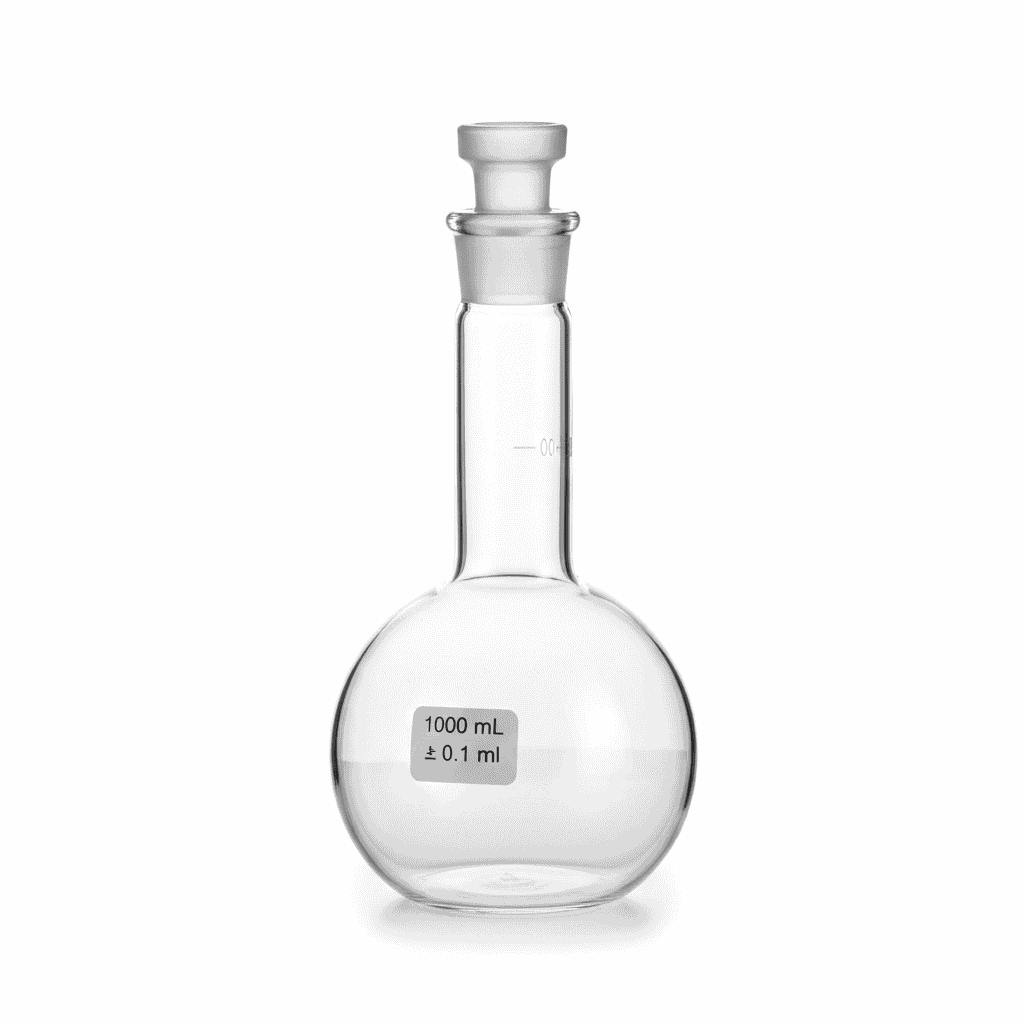
Meaning:
A volumetric flask is a high-precision lab device used for the preparation of very exact solution volumes. It has a slender neck with a calibration line showing the precise volume. The flask is either glass or plastic and in analytical chemistry, where accurate concentration measurements are very important, it is a very reliable device.
Uses:
- Preparing standard solutions
- Accurate dilution of chemicals
- Maintaining precise chemical concentrations
- Analytical chemistry experiments
- Calibration-related work
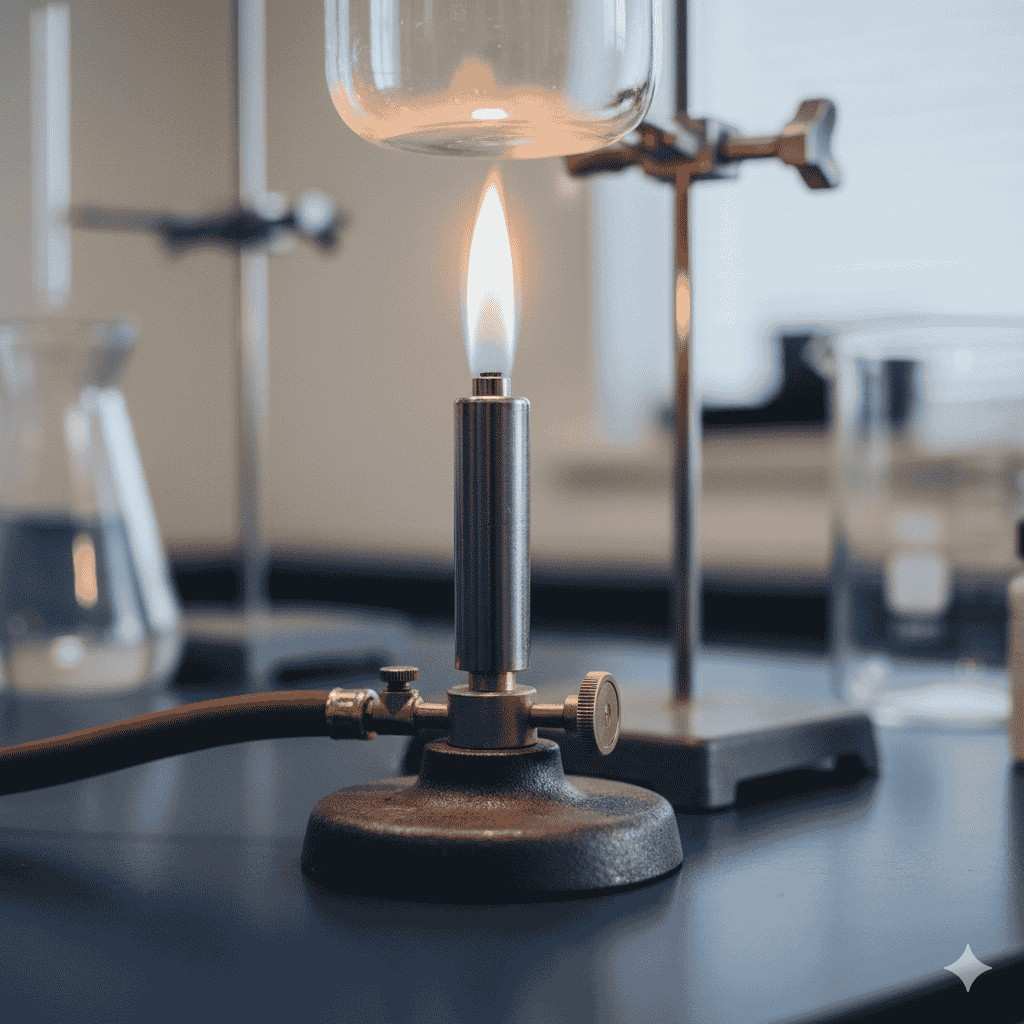
6. Bunsen Burner
Meaning:
A Bunsen burner is a laboratory heating apparatus that utilizes gas power and generates a controlled flame which can be used for sterilization, heating of chemicals, and even combustion experiments. By mixing gas with air, it gives a hot, clean, and adjustable flame. Bunsen burner is regarded as one of the most important sources of heat in chemistry laboratories.
Uses:
- Sterilizing instruments
- Heating chemicals
- Performing flame tests
- Combustion and thermal decomposition experiments
- Providing continuous heat for reactions
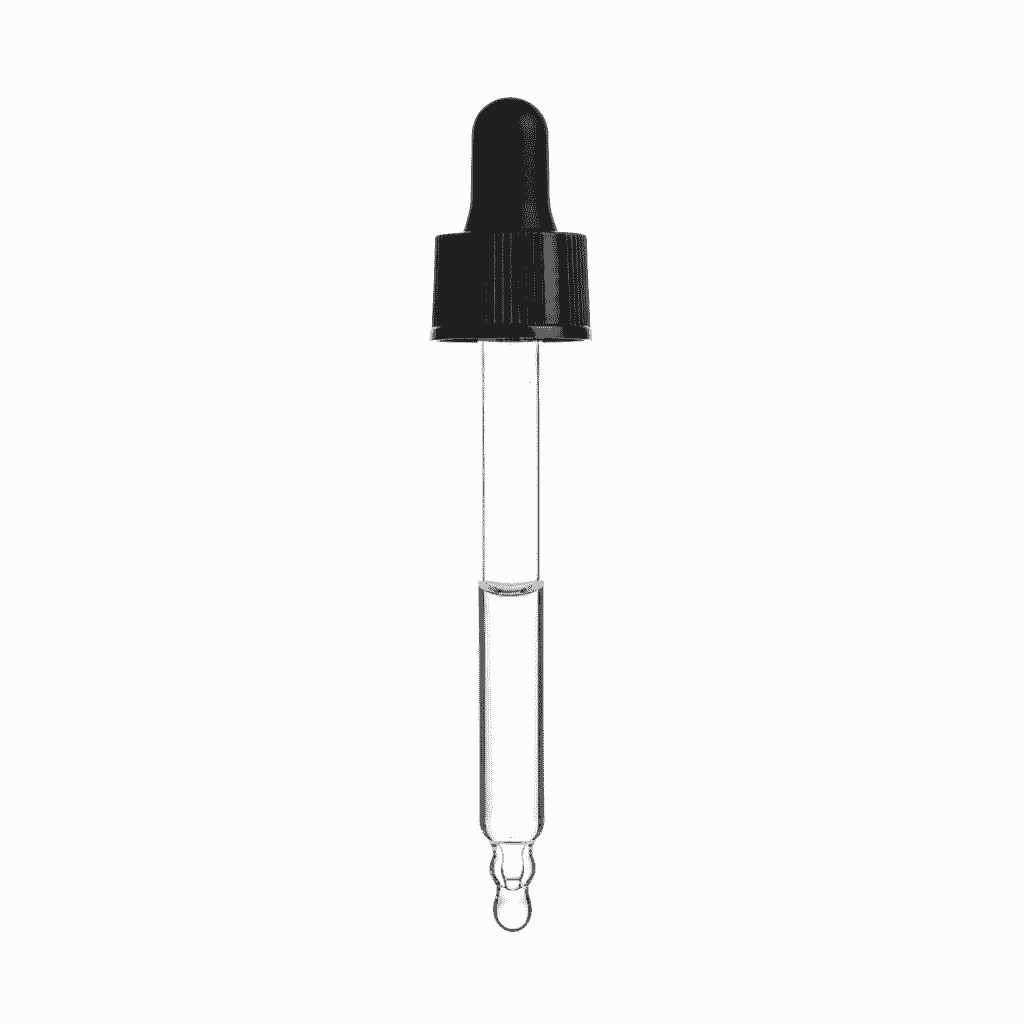
7. Dropper
Meaning:
A dropper is a tiny instrument for the transfer of very small quantities of liquids. It has two main parts – a thin tube and a soft rubber bulb for the control of the liquid draining. Inaccurate chemical reactions or titrations in lab practices can be avoided by using droppers, which are necessary for adding reagents as well as for other applications, e.g., inorganic and organic chemistry, etc.
Uses:
- Adding small liquid quantities
- Conducting titrations
- Transferring samples
- Mixing reagents slowly
- Handling sensitive or concentrated chemicals
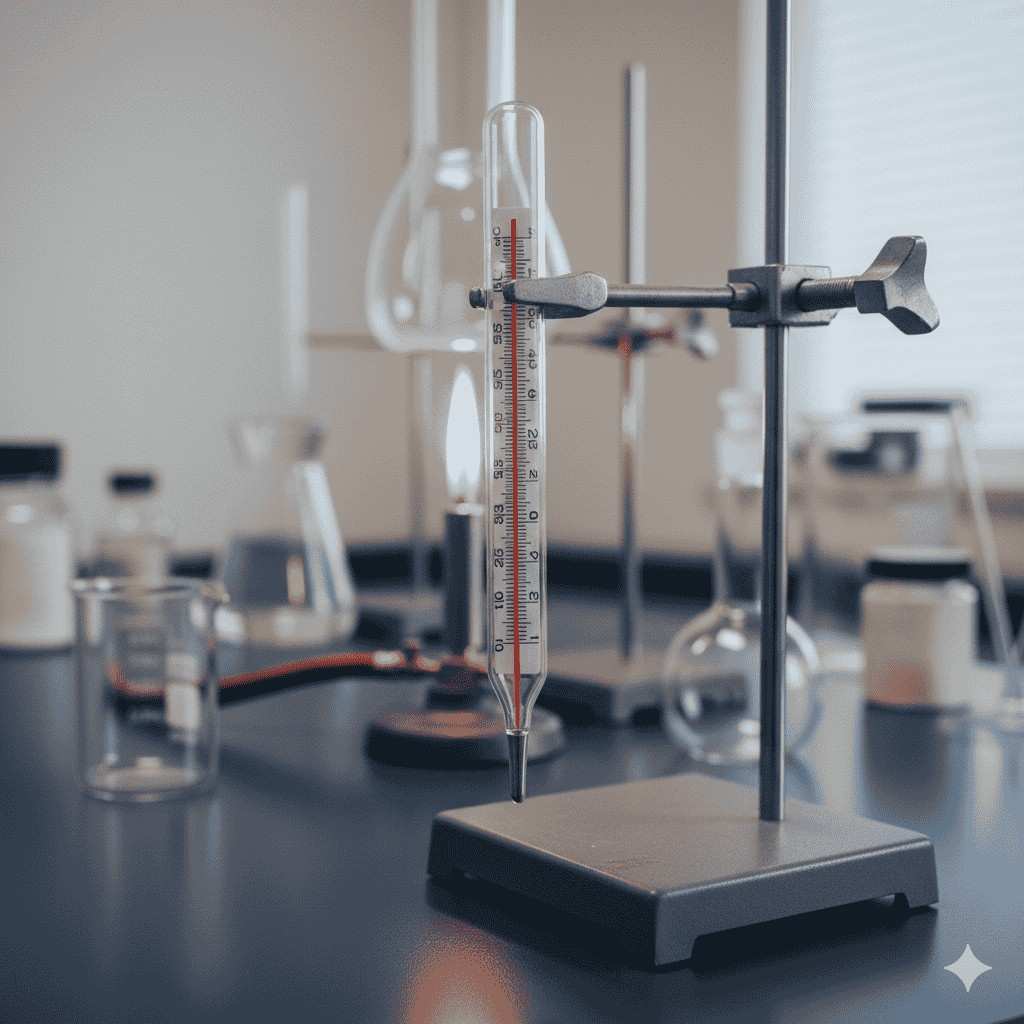
8. Thermometer
Meaning:
A laboratory thermometer tracks and records the temperature variations in the course of an experiment. The device can be digital or glass containing either mercury or alcohol. In chemical and biological research, where keeping or controlling exact temperatures is a matter of reliability, safety, and accuracy in reactions, incubations, or sample preservation, thermometers are indispensable.
Uses:
- Measuring reaction temperatures
- Monitoring heating and cooling
- Maintaining incubation conditions
- Checking melting or boiling points
- Ensuring safety in thermal experiments
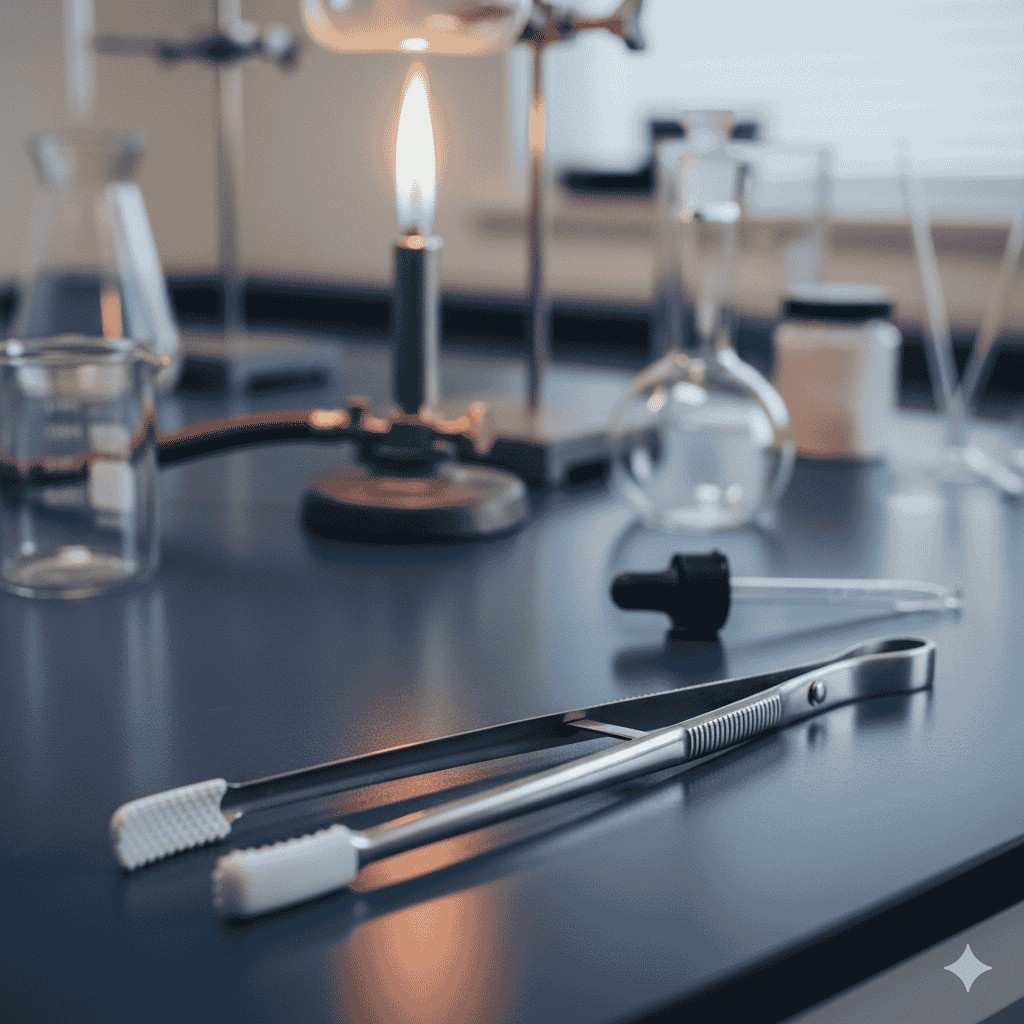
9. Tongs
Meaning:
Tongs are a type of tool that analysts always employ in the lab to handle glassware, chemicals, or metal objects often at very high temperatures as they are able to grip them securely and move them or hold them safely. Being made of metal and brilliantly contoured for firm handling, they act as a barrier between the user and burns, spills, and hot materials. Tongs are indeed the mainstay of operations involving Bunsen burners and other hot instruments.
Uses:
- Handling hot beakers or flasks
- Moving crucibles
- Transporting heated equipment
- Preventing burns
- Ensuring safe chemical handling
10. Brushes (Test Tube Brushes)
Meaning:
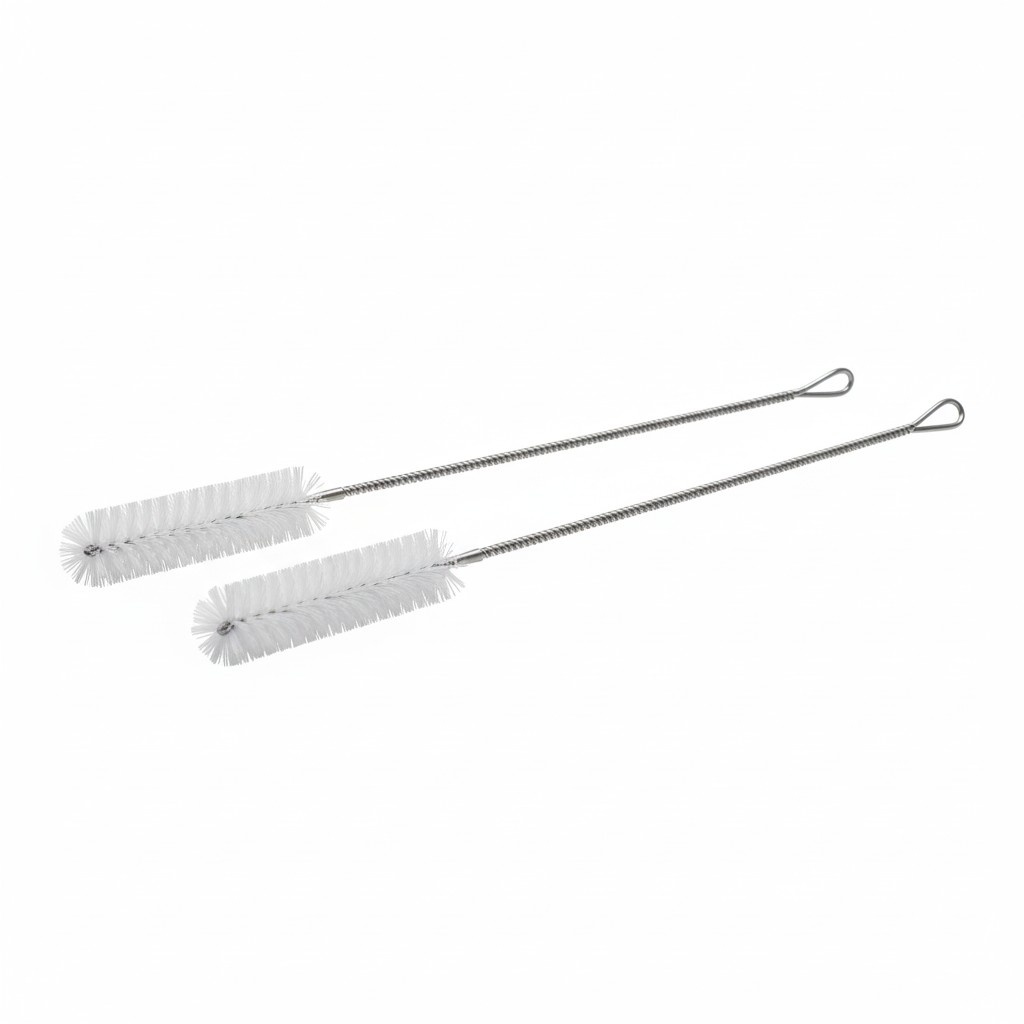
Laboratory brushes are specialized cleaning utensils that are used to clean the inner surfaces of test tubes, flasks, and other glassware. They are available in different sizes and shapes to access tight or rounded regions. Stiff bristles are used to make these brushes and they guarantee the cleaning that is required for the accurate results of the experiments.
Uses:
- Cleaning test tubes
- Removing chemical residues
- Washing flasks and beakers
- Maintaining sterile conditions
- Extending glassware lifespan
11. Weighing Machines (Balances)
Meaning:
Weighing machines, or laboratory balances, are really precise devices that can measure the mass of chemicals, samples, and materials with exactness. Their types include analytical balances and digital top-loading ones. Accurate mass measurement is extremely important in the process of making solutions, working out concentrations, and doing quantitative research.
Uses:
- Measuring chemical quantities
- Preparing accurate solutions
- Determining sample mass
- Quality control tests
- Research requiring precise weights
12. Micropipette
Meaning:
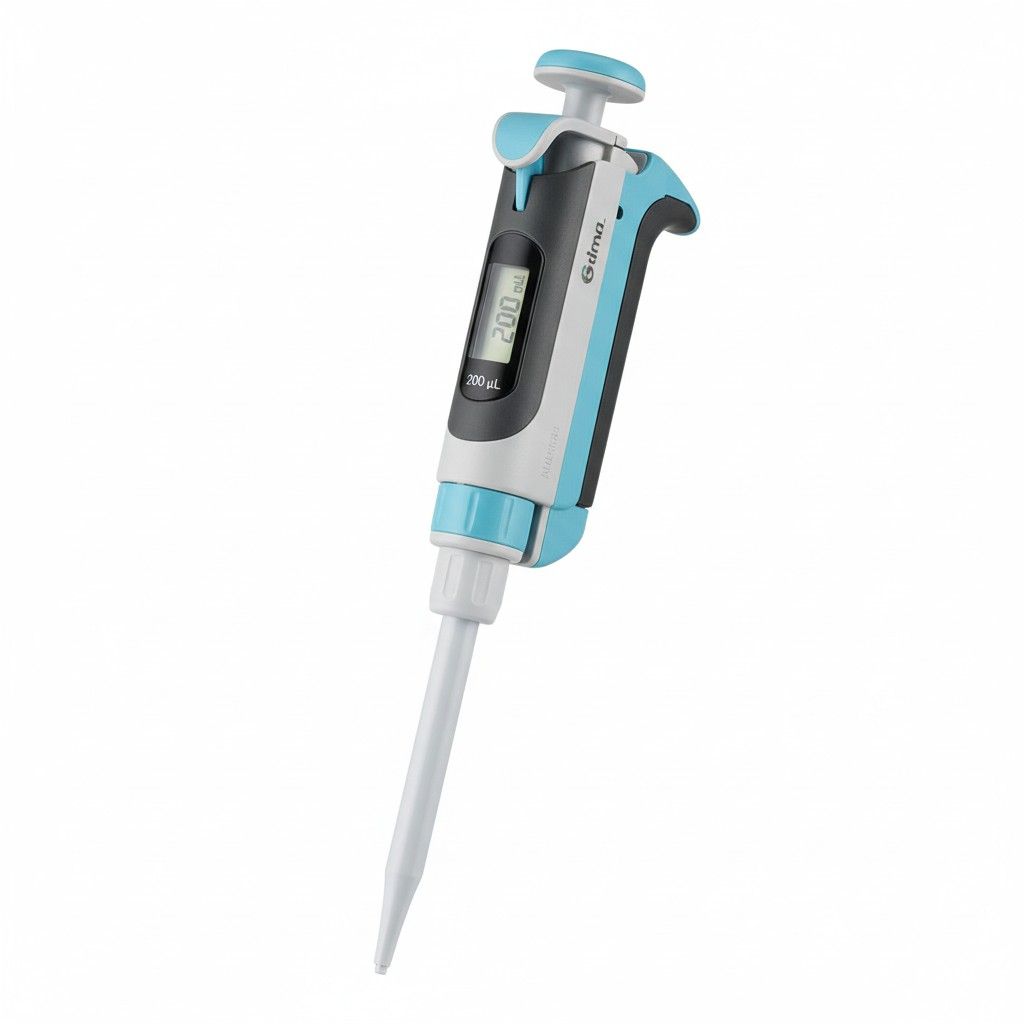
A micropipette is a high-precision instrument which is employed to measure and transfer very small quantities of liquid, mostly in the microliter range. It comes with adjustable settings and disposable tips that are capable of preventing contamination and thus ensuring accuracy. Micropipettes are indispensable equipment in molecular biology, biochemistry, and clinical research applications.
Uses:
- Handling micro-volumes
- Conducting DNA/RNA experiments
- Adding reagents in microliter amounts
- Cell culture procedures
- Diagnostic lab work
13. Centrifuge Tube
Meaning:
Centrifuge tubes are sturdy, tube-shaped vessels that can endure the high-speed rotations of a centrifuge. They are used to hold biological or chemical samples during the separation process in which components are ranked by density using centrifugal force. The available materials for these tubes are plastic and glass, and they are equipped with tight caps to avoid any leakage.
Uses:
- Spinning biological samples
- Separating cells or particles
- Collecting sediments or supernatants
- Storing samples after centrifugation
- Preparing materials for analysis
14. Measuring Cylinder (Graduated Cylinder)
Meaning:
A measuring cylinder is a container that is tall and narrow, with graduated scale lines, that is used for measuring liquid volume accurately. It gives more precise measurements than beakers and is made of either glass or plastic. Measuring cylinders play a key role in the lab for conducting routine quantitative tasks that need precision in liquid volume matters.
Uses:
- Measuring liquid volumes
- Preparing chemical solutions
- Transferring precise amounts
- Diluting reagents
- Performing volumetric analyses
15. Millipore Type Membrane Filter Holder Assembly
Meaning:
This membrane filtration assembly is a device that enables the support and securing of membrane filters during the liquid filtration process. It works by allowing the separation of microorganisms or particles from fluids through the use of vacuum or pressure. It is mainly utilized in microbiology, water analysis, and sterilization processes, and it provides accurate and sterile filtration.
Uses:
Filtering samples
Microbiological testing
Sterilizing solutions
Collecting microorganisms on membranes
Water quality analysis
16. Water Distillation Units
Meaning:
Water distillation units carry out the water purification process by heating water until steam is produced and afterward, the vapor is condensed back into pure distilled water. The aforementioned steps effectively get rid of the impurities, salts, and other substances that are not wanted in the water. Distillation equipment provides water of very high purity, which is needed for chemical reactions, analytical methods, and biological tests.
Uses:
Producing distilled water
Providing pure water for experiments
Removing contaminants
Supporting chemical and reagent preparation
Laboratory equipment cleaning
17. Water Baths
Meaning:
A water bath is a type of device that controls temperature and is used for incubating samples, chemicals, or biological materials with a constant heat. The device comprises a heated container that holds water and an adjustable thermostat. Water baths deliver mild and even heating, making them suitable for delicate reactions.
Uses:
Incubating samples
Melting substances gently
Enzyme reactions
Maintaining stable temperatures
Warming reagents safely
18. Magnetic Hot Plate Stirrers
Meaning:
Magnetic hot plate stirrers are devices that integrate heating with magnetic stirring which keeps the liquids mixed evenly and controlled in temperature. The magnetic bar that is located in the solution rotates as a result of the magnetic field that the device produces. These tools are indispensable in laboratory work such as chemical synthesis, solution preparation, and reactions under control.
Uses:
Heating and stirring solutions simultaneously
Ensuring uniform mixing
Performing chemical reactions
Preparing homogeneous solutions
Maintaining temperature-controlled agitation
19. Vortex Mixers
Meaning:
A vortex mixer is a laboratory device that rapidly agitates liquid samples in tubes by creating a circular vortex motion. When the tube is pressed onto the vibrating platform, the liquid swirls quickly, ensuring thorough mixing. It is widely used in molecular biology and chemical analysis.
Uses:
Mixing small liquid samples
Blending reagents
Resuspending pellets
Mixing cell cultures
Preparing samples for testing
20. Water Baths
Already listed once, so the 20th item below is corrected to complete the list:
Water Baths (Second listing replaced with a new apparatus):
Meaning:
A spectrophotometer is an analytical device used to measure how much light a sample absorbs. It passes light through a solution and detects intensity changes. Different wavelengths correspond to various compounds, making spectrophotometry essential for quantitative analysis in chemistry, biology, and environmental science.
Uses:
Measuring sample absorbance
Determining solution concentration
Analyzing DNA/RNA purity
Chemical reaction monitoring
Environmental pollutant testing






Add comment